This blog is part of our “AI & The Future of Work” series.
In Week 1, we explained how AI is changing hourly jobs, not replacing them.
In Week 2, we showed how to use AI to get hired faster.
In Week 3, we covered the skills needed to stay employed.
Now let’s talk about something most people aren’t hearing: the new jobs being created.
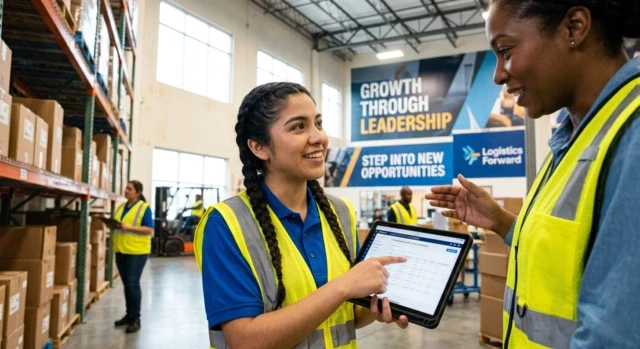
AI Is Changing Jobs—But Also Creating New Ones
It’s easy to focus on what’s being automated.
But behind the scenes, businesses are:
- Adding new roles
- Expanding responsibilities
- Creating opportunities for workers who adapt
New and Growing Opportunities
1. Tech-Integrated Roles
More jobs now involve:
- Using digital systems
- Managing automated tools
- Supporting new technologies
Workers who can use these tools have an advantage.
2. Customer-Focused Roles
As automation increases, human interaction becomes more valuable:
- Customer service
- In-store support
- Problem resolution
People skills matter more than ever.
3. Supervisory & Lead Roles
With more systems in place, companies need workers who can:
- Oversee processes
- Train others
- Take on more responsibility
These roles often lead to higher pay and advancement.
4. Flexible and Hybrid Roles
Jobs are becoming:
- More flexible
- More varied
- More skill-based
Workers who can handle multiple responsibilities stand out.
What This Means for Workers
You don’t need to fear AI, you need to:
Be open to change and new opportunities
The jobs may look different, but they’re still there.
How to Take Advantage
- Learn new tools and systems
- Take initiative at work
- Look for opportunities to grow
- Be open to new types of roles
The Bottom Line
AI isn’t the end of hourly work, it’s a shift.
The workers who succeed will be the ones who:
Adapt, learn, and step into new opportunities.